遠い夜明け / Far-away Peace

Japanese Title (邦題): 「遠い夜明け」末尾に


Far-away Peace

Good morning to the World and Kanmon!

I was preparing an article with a different topic, but I had some doubts, so I am replacing it with this article.

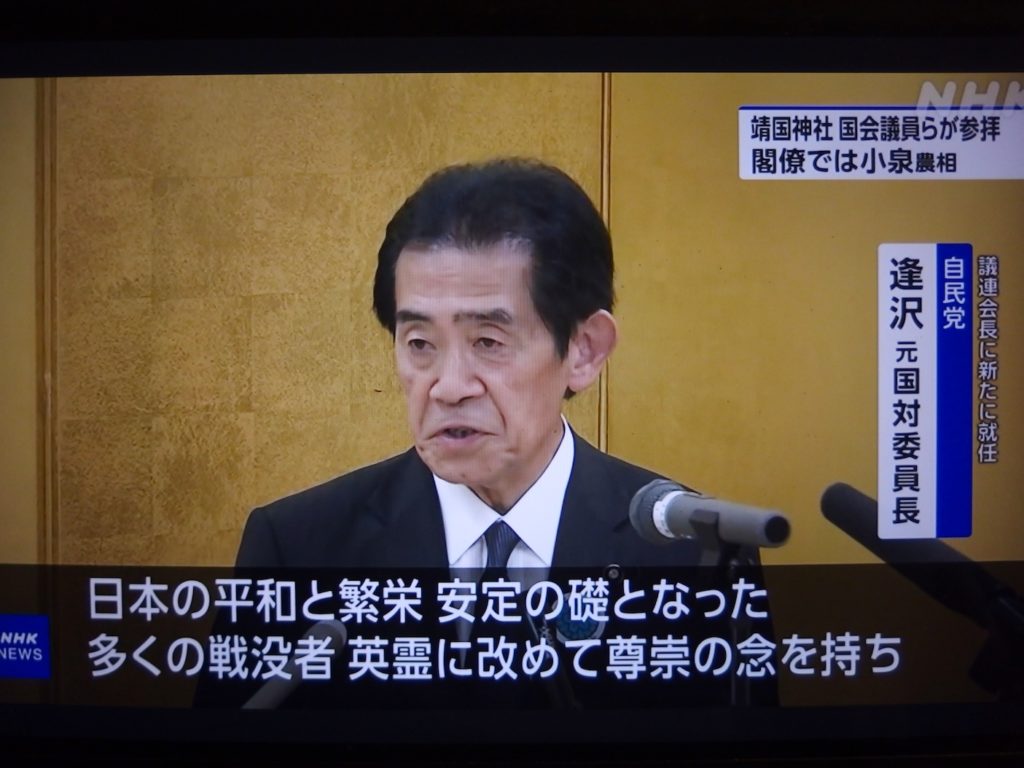
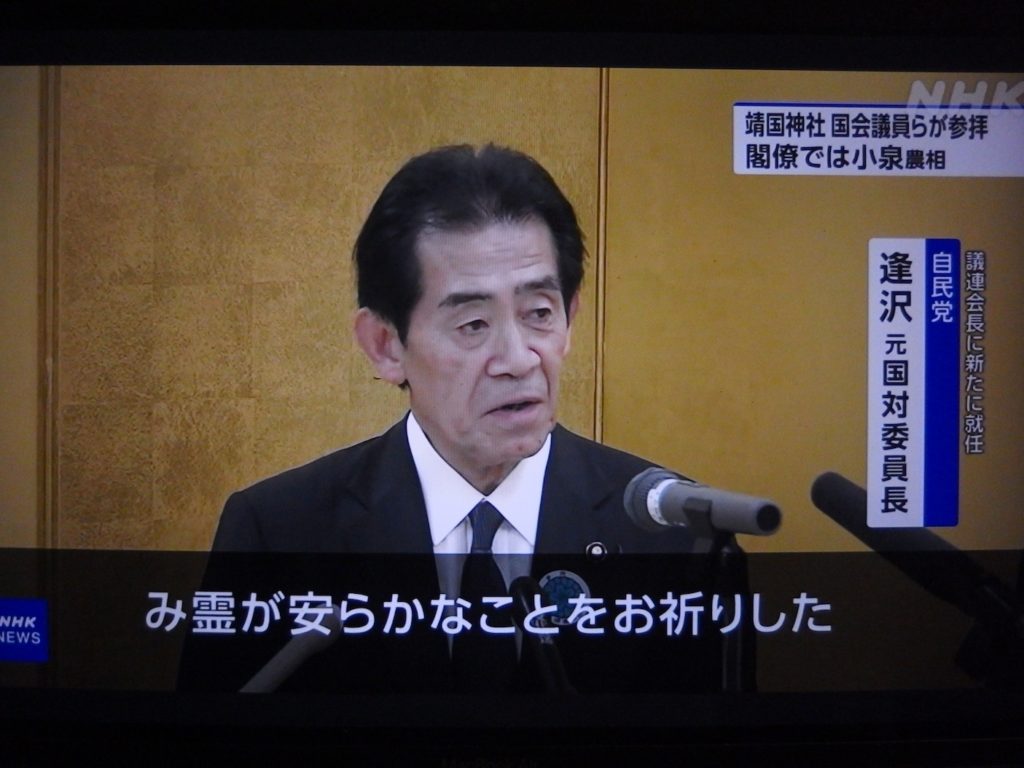
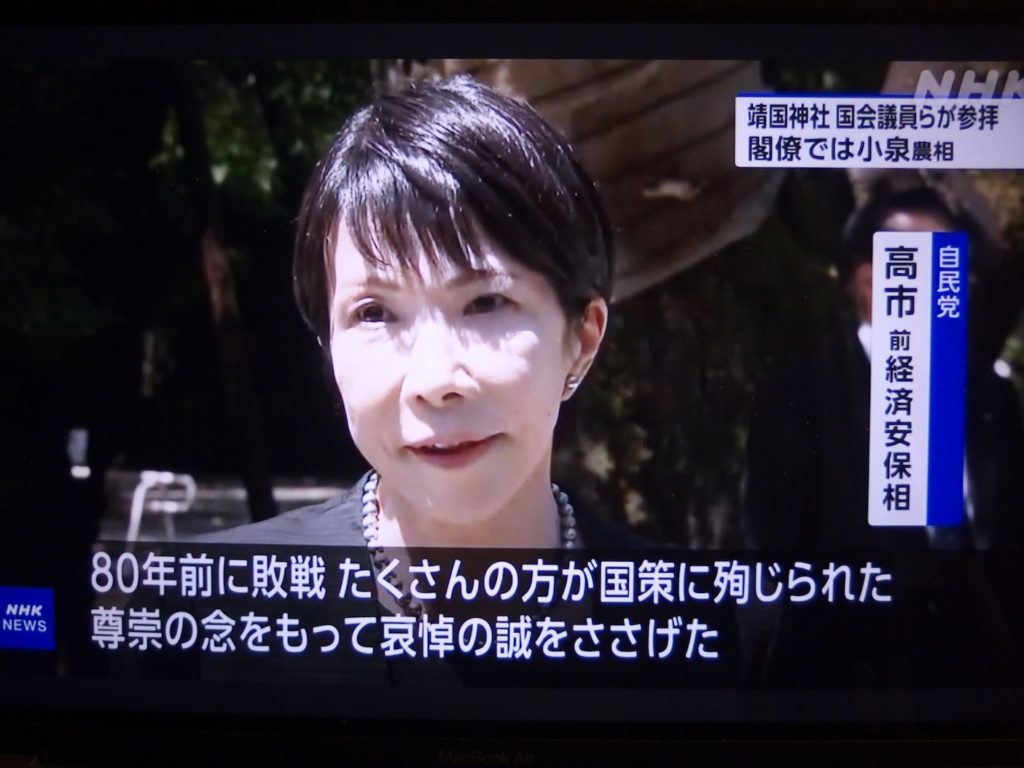
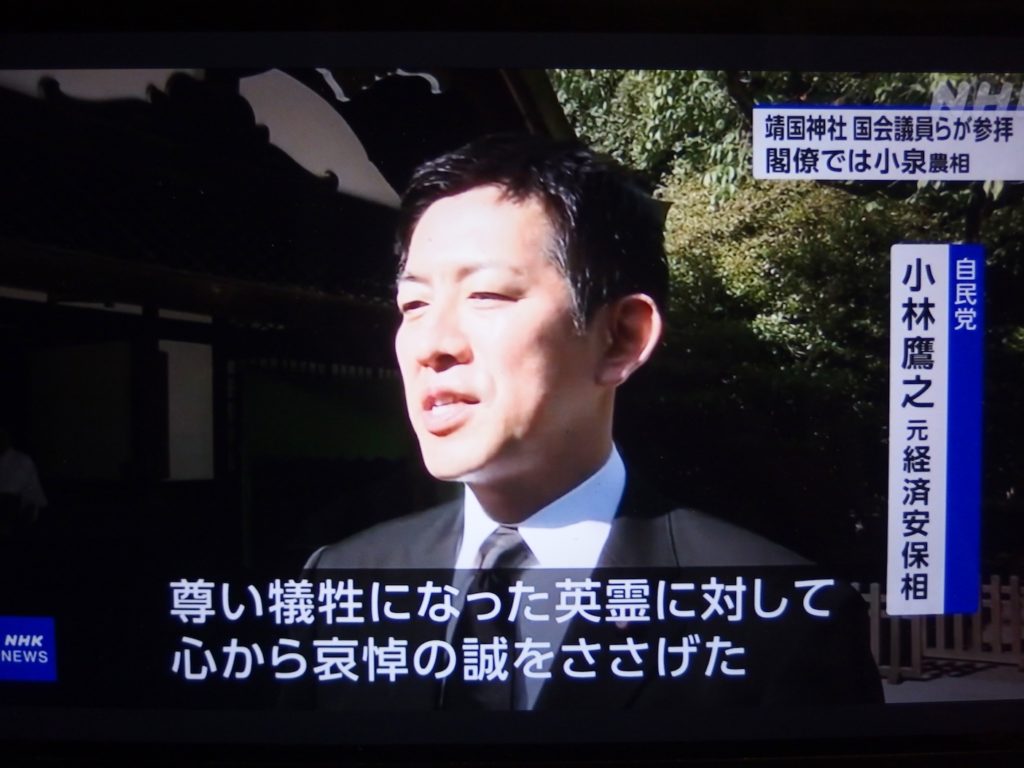
While watching the news on TV about the anniversary of Japan’s defeat in the war…

I was reminded that the memorials on the anniversary of Japan’s defeat in the war are strictly limited to Japanese people.
OLYMPUS DIGITAL CAMERA

Japanese people are not the only victims of this country’s “wrong national policy”…
OLYMPUS DIGITAL CAMERA

OLYMPUS DIGITAL CAMERA

OLYMPUS DIGITAL CAMERA

I wonder if this means that “unless we lose, national sentiment of remorse for the war will not be fostered.”

Come to think of it, there are no days in this country commemorating the end of the Sino-Japanese War or the Russo-Japanese War.

(We don’t even know what month or date it ended, so even if it was a hateful war and a stepping stone to a major war, do we have no regrets?)

Even if politicians understand the importance of post-war commemoration, they may not be able to speak out due to their respective positions and adult circumstances…

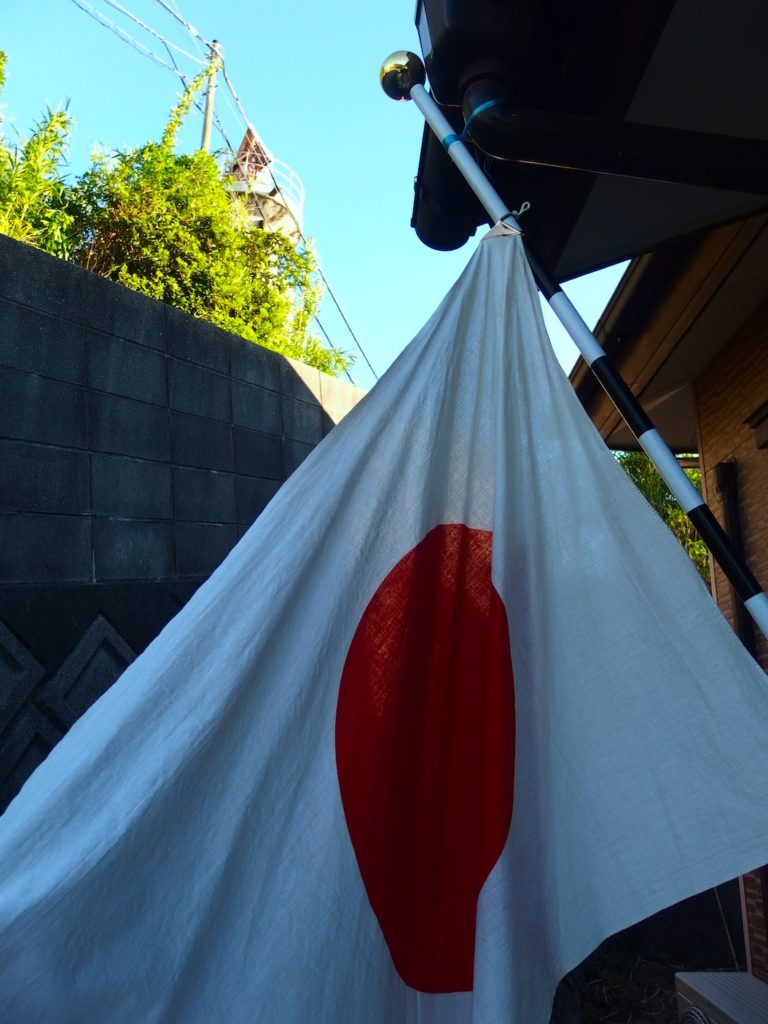
At this guesthouse, we will fly the flag at half-mast as a grassroots expression of sincere condolences to all war dead (not only Japanese, but also to the war dead of Asia who fell victim to Japan’s national policies, as well as the war dead of the United States and Britain who confronted Japan, and we especially express our deepest condolences to the victims of Unit 731).
OLYMPUS DIGITAL CAMERA

Perhaps such feelings, looking back on the 80 years since the end of the war, can only be felt by business owners whose main customers are the descendants of those who marched into the areas where the Japanese army advanced over 80 years ago?

I think there must be certainly many different perspectives and ways of thinking about war and the pursuit of peace, but perhaps the insular mentality is still deeply rooted.

Thank you and you have a nicer day by looking seriously at and learning about the past from a wide variety of perspectives.

from Yassan,
Manager of a Little Guesthouse under a Little Lighthouse TOUKA
( http://touka-kanmon.com )


遠い夜明け

世界中に朝が、そして関門にもあさが来ました。 おはようございます。

他の内容の記事を準備していましたが、ちょっと疑問に思ったので、こちらの記事に差し替えます。

テレビで報道されていた敗戦記念日のニュースを見ていて、、、

敗戦の日に追悼する対象は、あくまでも日本人限定なんだなぁと再認識しました。

OLYMPUS DIGITAL CAMERA

この国の「間違った国策」の被害者は日本人だけではないはずなのに、、、

OLYMPUS DIGITAL CAMERA

OLYMPUS DIGITAL CAMERA

OLYMPUS DIGITAL CAMERA

これって「負けなきゃ戦争を反省する国民感情は醸成されない」ってことかなのかな。

そういえば、たしかにこの国には日清戦争や日露戦争の終戦祈念日ってないしなぁ。

(何月何日に終わったかさえ知らないし、つまりこれらについてはたとえ憎むべき戦争でも、大戦への足がかりでも反省はない?)

大戦後の追悼の対象について、分かっていても政治家の皆さんはそれぞれの立場や大人の事情があって口にできないかもしれないので、、、

草の根的に全ての英霊(日本人に限らず、日本の国策の被害に遭われたアジアの英霊や対峙した米英の英霊にも、特に731部隊の犠牲者には強く哀悼を)に対して哀悼の誠を捧げる真心をもって、当宿では半旗掲揚します。

OLYMPUS DIGITAL CAMERA

こうした想いは80年余り前に進軍した先の子孫たちが主要な顧客である事業者にしか感じ得ない、戦後80年を振り返る感覚なのかな?

戦争認識や平和追求のあり方にも色々な視点・考え方ができてしかりと思うのですが、以前として島国感覚が根深いってことでしょうか。

それでは、多種多様な視野で真剣に過去をみつめ・まなぶことでもっと素敵な一日を!

灯台下のちいさいゲストハウス「灯火」宿主 やっさん より
( http://touka-kanmon.com )


過ちってなに?!/ What is the mistake?!

Japanese Title (邦題): 「過ちってなに?!」末尾に


What is the mistake?!

Good morning to the World and Kanmon!

In Japan, it is the season to think about the great defeat of the Showa era.

OLYMPUS DIGITAL CAMERA

There was a white cloud in the sky yesterday that looked very similar to the mushroom cloud from the atomic bomb.

Japanese TV stations are reporting on the memorial event, and the anti-war mood is very active.

As I watched this scene, the words that someone who came to pay there said stayed in my heart.

( https://www3.nhk.or.jp/news/html/20240806/k10014537541000.html )

He said “I won’t let us repeat our mistake again.”

What is that “mistake” exactly?

What on earth led the United States, now ridiculed as a honeymoon partner of us, to drop the atomic bomb on Japan?

I can’t help but feel disgusted that the focus is on war education as a war victim country, and there is too little sharing of records as a war perpetrator country.

Am I the only one who feels like it’s impossible to say that Japan will avoid repeating its mistakes without thinking about what Japan did that led to the dropping of the atomic bomb?

Even if I think logically, it does not lead to the realization or achievement of world peace and I am confused with this.

(Even though the wars currently occurring on this earth have not been stopped…)

Are today’s junior high school students systematically taught modern history, including Japan’s modern history and World War II, in their compulsory education?

I wonder if we’re spending too much time on ancient and medieval history and getting stuck, like we had been in the Showa era.

Now, as I am in the position of hosting young generations here who are descendants of countries that Japan invaded, I can’t help but feel anxious about the future of this country.

Thank you and you have a nice day after sharing true “reflection” with all citizens.

from Yassan,
Manager of a Little Guesthouse under a Little Lighthouse TOUKA
( http://touka-kanmon.com )


過ちってなに?!

世界中に朝が、そして関門にもあさが来ました。 おはようございます。

日本では昭和の大敗戦を顧みる季節となりました。

OLYMPUS DIGITAL CAMERA

昨日の空には原爆のキノコ雲によく似た形の白雲が立ち上がっていました。

日本のテレビ局各社のニュースでは追悼イベントの様子が報道されており、反戦モードが大変盛り上がっています。

そんな様子を見ながら、追悼にいらっしゃった方がおっしゃっていた一言が心に留まりました。

( https://www3.nhk.or.jp/news/html/20240806/k10014537541000.html )

「過ちは二度と繰り返しませぬから」と伝えていくとのことですが、、、

その「過ち」って、いったいなんでしょう?

いったい何が、今では蜜月相手と揶揄されるまでのアメリカをして原爆を落とさせたのでしょうか?

戦争被害国としての戦争教育が主体で、戦争加害国としての記録の共有が少なすぎるのがどうも気持ち悪くて仕方ありません。

日本が何をしたから、原爆投下に至ったかを考えずして「過ちの繰り返しがなくなる」なんて言えない気がするのは私だけでしょうか?

ロジカルに/論理的に考えても、世界平和の実現・達成に結びつかずにモヤモヤします。(この地球上で今起きている戦争すら止められてないのに、、、)

今の中学生は義務教育の中で、日本の近代史や第二次世界大戦を含む現代史を体系的にしっかり教えているのでしょうか?

昭和の時代がそうであったように、古代や中世史に時間をかけすぎて端折ってないのかな?

今、日本が侵略した先の国々の子孫にあたる若い世代をここでおもてなしする立場にあって、この国の将来が不安で仕方ありません。

それでは、真の「反省」を国民全員で共有した上で素敵な一日を!

P.S. 1929年の世界恐慌が引き金になって、第二次世界大戦に突入していったことは昭和の学校でも習いました。この月曜・火曜の株価の乱高下にあたふたしている大勢の日本人の姿を見るにつけ、「過ち」を繰り返しそうだなぁと感じてしまう夏の一日です。

灯台下のちいさいゲストハウス「灯火」宿主 やっさん より
( http://touka-kanmon.com )
 

歓び(希望)の日? 哀しみ(反省)の日?/ The day of Joy (hope)? The day of remorse (sorrow)?

Japanese Title (邦題): 「歓び(希望)の日? 哀しみ(反省)の日?」末尾に


The day of Joy (hope)? The day of remorse (sorrow)

Good morning to the World and Kanmon!

Yesterday, Aug.15th was Memorial Defeated Day in Japan.
Majority of TV news were about Big Typhoon, however there were unique broadcasting about the memorial day.

Usually not so many people concerns about “National Liberation Day” but it was broadcasting this year unexpectedly. It was because of the conflict between 2 countries. When we saw the news of “National Liberation Day” and could compare it with Japanese ceremony in Budoukan, Tokyo. I don’t mean about president’s statement. I mean the difference of the mood of both ceremony. I believe that people with good sense noticed the difference.

The day, Aug. 15th has different meaning between Japan and other Asian countries.

guests02

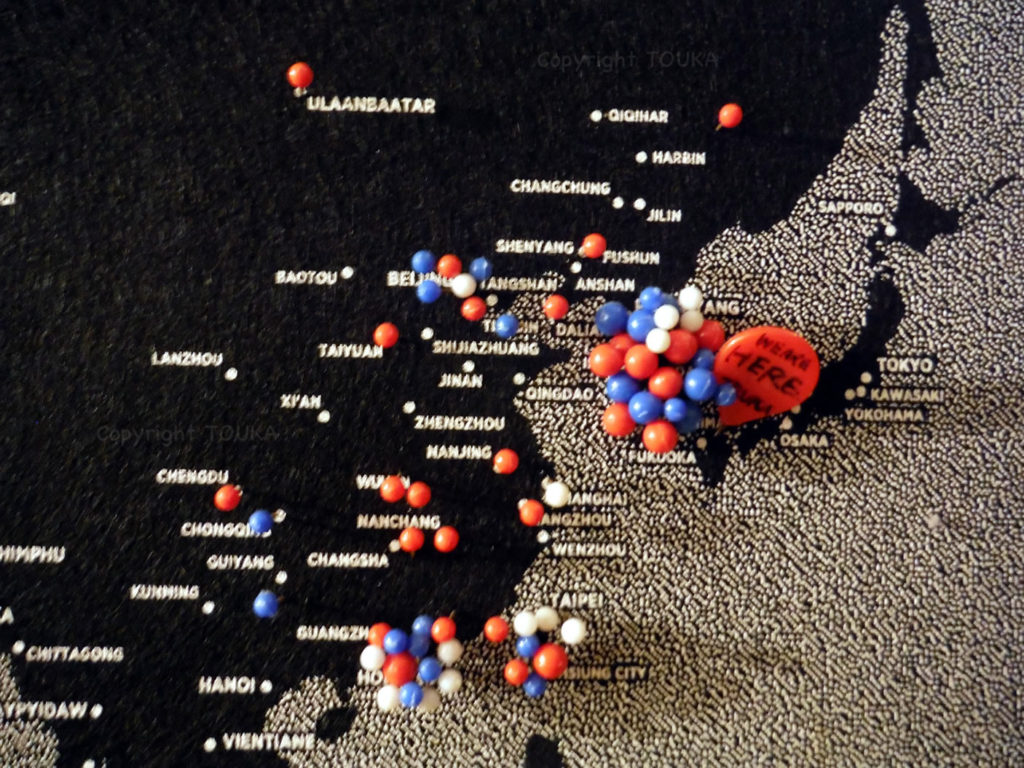
Since I started welcoming guests from Asian countries, I might get accustomed with Asian way of thinking. With such ideas, I was interested in that ceremony in Budoukan concern only about 3.1 million of fellow countrymen. I guess that the fellow countrymen means Japanese, right?

What I do mostly concern is whether Japanese government grasp the number of people who were dead in the Asian countries or not, where Japanese people and Japanese soldier who moved into. Furthermore, I also wonder if they grasped the number of American (solders) who got killed by Japanese during the war.

I believe that Japanese government must understand the number with study time of 74 years. However I merely see that Japanese have been mentioning it in public. The majority of talking in Japan is how we suffer the tragedy and how miserable we were. Story from the victim’s view point is normal topic about war and peace. (If we won it, there may be no remorse in Japan.)

As one citizen in Japan, I may be not enough to understand may not be in one side. However I simply doubt that they can really feel “deeply remorse” without the numbers and comparing them.

It has been a long time since “inbound” was focused in Japanese economy. Do we really understand the people who is coming to Japan from various countries? Recently I have simply doubt it in many occasion.

Thank you and you have a really peaceful and wonderful day.

from Yassan,
Manager of a Little Guesthouse under a Little Lighthouse TOUKA
( http://touka-kanmon.com )


歓び(希望)の日? 哀しみ(反省)の日?

世界中に朝が、そして関門にもあさが来ました。
おはようございます。

昨日、8月15日は「敗戦記念日」。
台風のニュースに押されながらも、今年の報道はユニークでした。

普段はそれほど注目されない「光復節」の内容が、かの日韓問題の影響で予想以上に取り上げられたことで、期せずして「日本武道館」での式典と対比する機会が持てました。大統領の発言内容のことを言っているではありません。式典そのもののムードの違いです。感度の良い方はそのことに気づかれたと思います。

つまり、8月15日という日は、日本とアジアのそれ以外の国とで認識が全然違うのです。

guests02

アジア圏からのゲストをこれまで大勢おもてなししてきて、感覚がアジア的になっているのかもしれません。そんな自分が気になったのは、武道館の式典では310万人の同胞についてのみ焦点が当たっていることです。そこで言われた「同胞」とはおそらく日本人のことですよね?

自分が興味を持ったのは、当時日本がアジア各国に進出したことで、進出先の国々で日本軍・日本人の犠牲になった現地の方は一体何人だったのか、日本政府が公式に把握しているのだろうかという疑問です。さらにいうと日本の暴挙を制止しようとした、アメリカ人(兵)の犠牲は何人だったのか把握しているのだろうか、ということです。

その間、74年間もあったから、きっと把握している筈なのですが、日本人がそのことについてあまり言及している姿を見た記憶がありません。どれだけ戦争が身近で悲惨だったか、被害者目線での伝承がいつもの基本路線です。(万が一に勝っていたら、反省はなかったのかもしれません。)

いち日本の民間人の立場で、あまり難しいことは分かりませんし、どっちのカタを持つわけでもありません。ただ単純にそんな大事な数字の把握と比較無しに「深い反省」ができるのかなぁ、となんとなく疑問に感じています。

インバウンドが注目されて久しいですが、やってくる相手のことを島国である日本人が本当に理解できているのか、そんな場面に遭遇することが非常に多い今日このごろです。

それでは、どうぞ真に平和で素敵な一日を!

灯台下のちいさいゲストハウス「灯火」宿主 やっさん より
( http://touka-kanmon.com )


にほんブログ村 旅行ブログへ新しい旅探しへ