Japanese Title (邦題): 「失われかけている大切なピース」末尾に
A Major Missing Piece
Good morning to the World and Kanmon!
Located in a guesthouse overlooking the ocean (strait) wide, we welcome travelers from a variety of countries and backgrounds.
More than just providing physical hospitality,
we often feel like we’re providing spiritual and psychological hospitality.
Perhaps because of this, many of our guests are willing to talk about themselves, their surroundings, and their country, and teach us various things.
In addition, the sketchbooks in the guest rooms is filled with more messages, drawings and memories than I had originally expected.
As I spend my days facing these heartfelt communication, it seems that what I think about these two weeks in summer will be different from what other people think.
Now, as we mark the 80th anniversary of the end of the war this year, what the host is most interested in is…
“what” Japanese soldiers did and “how they felt” when they went to battlefields overseas.
Last week, there was news that the list of war dead compiled by the Fukuoka Prefecture Bereaved Families Association had been put into a database, making it possible to systematically analyze the circumstances surrounding their deaths. (They said it was compiled by AI, but I think it could have been compiled without AI…)
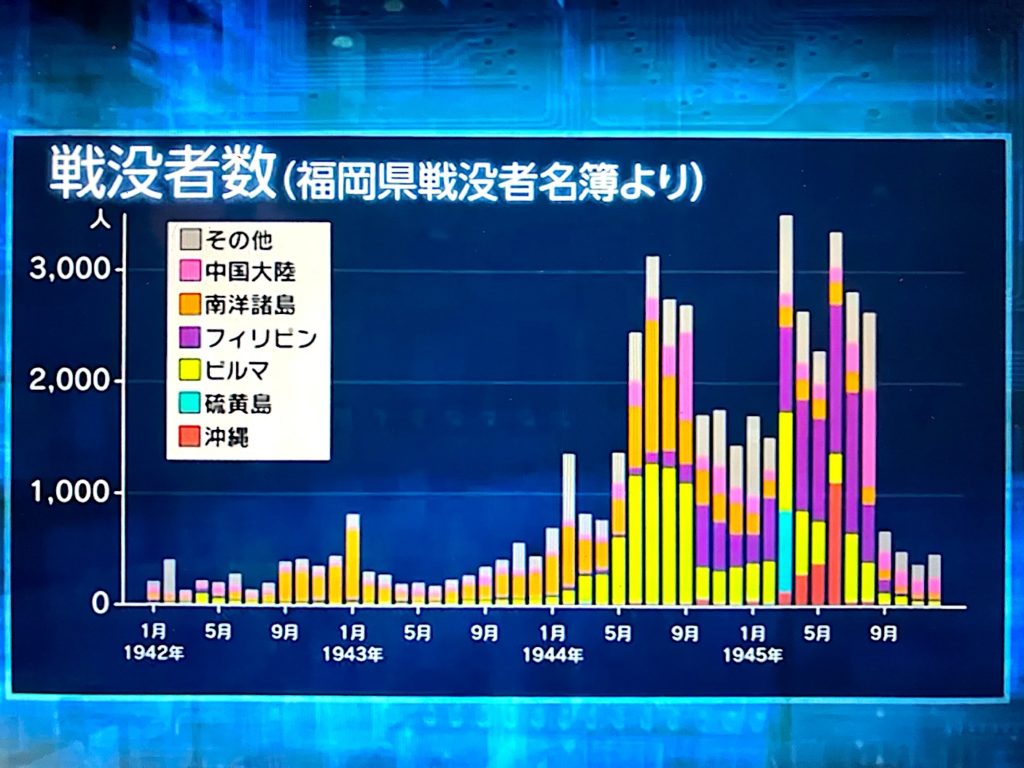 ( https://www3.nhk.or.jp/news/html/20250802/k10014881551000.html )
When I heard the news, I wanted to know more about the unit and mission of each of the war dead, and at the same time, I strongly felt that it was necessary/should have been possible to collect the same information about returning soldiers and to systematically record their feelings and mental state on the battlefield.
While there are few Japanese people who have been able to leave behind concrete visual images of their memories like the late Shigeru Mizuki, I can’t help but feel that this country has/had an obligation to at least preserve them as information.
In other words, it was/is necessary to make it possible for future generations of Japanese people, including us today, to connect the dots and understand the truth in a tangible and quantitative way.
Why do I think so?
Based on hearsay to date, it is easy to imagine that the majority of Japanese soldiers who returned from the battlefield were so horrified that they sealed their experiences in their hearts, remained silent like shells, and passed away in the past few decades.
Is it really okay to bury such precious records and memories in darkness?
I believe that compiling, analyzing, and publishing these experiences, memories, and emotions will move the hearts of humanity and lead to true anti-war and lasting peace.
I cannot help but feel that this is a major missing piece that cannot be filled by the records and memories of this country as a war victim, and is essential to achieving peace for all humanity.
Thank you and you have a nice day building on each step, we make our big dreams come true.
from Yassan,
Manager of a Little Guesthouse under a Little Lighthouse TOUKA
( http://touka-kanmon.com )
失われかけている大切なピース
世界中に朝が、そして関門にもあさが来ました。 おはようございます。
眼前に広がるで海(海峡)を望む宿にいて、さまざまな国やバックグラウンドをもつ旅人をおもてなししている当宿では、、、
物理的にお世話をするという以上に、、、
むしろ精神的・心理的におもてなししているのではないかと感じることが少なくありません。
そのせいか、当宿に滞在されるゲストさんはご自身や身の回り、お国のことをとてもよくお話しくださり、いろんなことを教えてくれます。
また、お部屋に常備してあるスケッチブックにも当初期待していた以上のメッセージ・イラストや思い出が書き記されています。
そんな心と心で対峙する日常を過ごしていると、この夏の2週間に考えることも他人(ひと)とは違ってくるようです。
さて、戦後80年を迎える今年、宿主がいちばん興味を抱いているのは、、、
海外の戦地に赴いた日本兵たちが一体「何」を「どんな気持ち」でしていたかということ。
先週、ここ福岡県の遺族会がまとめた戦没者名簿をデータベース化し、戦没時の状況を体系的に分析できるようになったというニュースがありました。(AIがまとめたと言っていましたが、別にAIでなくてもまとめられたと思うのですが、、、)
( https://www3.nhk.or.jp/news/html/20250802/k10014881551000.html )
そのニュースに触れた際、その他にも戦没者一人一人の所属部隊や使命なども出来れば知りたいと思うと同時に、同じ内容を帰還兵でも収集し、帰還兵については戦地での気持ちや心の状態も体系的に記録しておく必要がある/あったのではないかと強く感じました。
故水木しげる氏のように記憶を映像として具体的に残すことのできた日本人は少ないなか、せめて情報として残しておく義務がこの国にはある/あったと思えて仕方ありません。
つまり、現代の我々を含む後世の日本人が紐づけして真実を体感・定量的に把握できるようにしておく必要がある/あったのではないかということです。
なぜそう思うのか、、、
これまでの伝聞より、戦地より帰還した日本人の大多数があまりの悲惨さに戦地での体験を心のなかに封印し、貝のように口を閉ざしたまま、ここ数十年に逝去してしまわれたケースが少なくないことが容易に想像できるからです。
そんな貴重な記録・記憶を闇から闇へ葬っていいのでしょうか?
そうした体験と記憶、感情の集大成と分析・公表こそが、人類の心を動かし、真の反戦と恒久平和につながると思うのです。
この国の戦争被害者としての記録・記憶だけでは埋まらない、人類平和を実現するために不可欠な失われた大きなピースのように思えて仕方ありません。
それでは、ひとつひとつ積み上げて大きな夢を実現させる素敵な一日を!
灯台下のちいさいゲストハウス「灯火」宿主 やっさん より
( http://touka-kanmon.com )
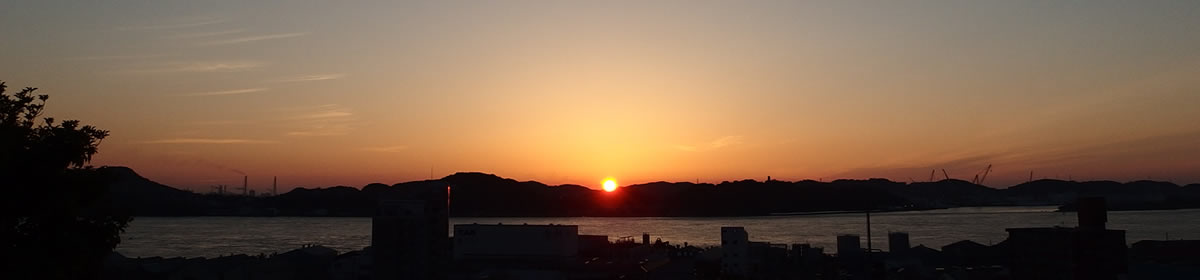


 (One of those boats sank the other day, killing one crew member.)